
Mastering the Art of Brazilian Wax at Home: A Comprehensive Guide by Experts
Embark on the journey of mastering the art of Brazilian waxing at home with guidance from the experts. Brazilian waxing, renowned for its effectiveness and durability in hair removal, offers a less irritating and longer-lasting alternative to traditional shaving methods. While booking a session with a licensed professional is ideal, it’s not always feasible. Fortunately, a plethora of top-rated kits and professional-grade products are available for at-home use, coupled with invaluable advice to make the process seamless for you.
Choosing the Right At-Home Wax
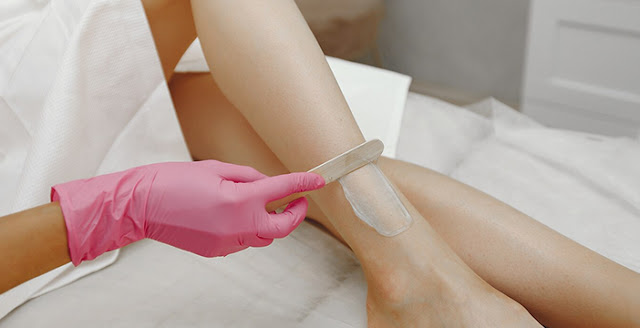
When selecting an at-home waxing product, ensure it explicitly states “Brazilian” on the packaging, as not all formulas are suitable for this sensitive area. According to Natalie Ismiel, brand manager and ambassador for Nad’s hair removal products, beginners may find it easier to start with hard wax, granting them greater control over the application compared to strip waxes.
Jessica Houston, vice president of operations and lead esthetician at BeautyBeez in Los Angeles, recommends exploring hard wax or the sugaring method for enhanced control over the wax application.
Temperature Control for Hard Wax
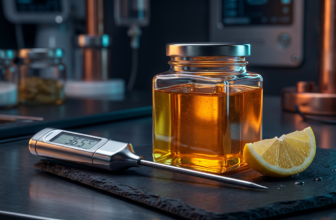
Maintaining the right temperature for hard wax is crucial for a safe and effective waxing experience. Follow the product’s heating instructions, ensuring the wax attains a consistency resembling cold honey. New York City–based esthetician Nandi Wagner advises performing a test patch on your inner wrist to confirm the wax is neither too hot nor too runny. Expect to reheat the wax after 10 to 12 minutes of waxing.
5 Best Kits for Home Waxing – Brazilian Wax Bikini Wax, Lip Wax, Body Wax
8 Simple Tips for Successful DIY Brazilian or Bikini Waxing
Whether you’re a novice or an experienced waxer, follow these eight simple tips for optimal results in your DIY Brazilian or bikini waxing sessions:
- Mirror Check: Keep a hand mirror close by and regularly inspect your work while waxing. Standing in front of a full-length mirror aids in precise wax placement.
- Hair Length Matters: Trim the hair you intend to remove to 3-5mm for an effective waxing session. Hair that is too short or too long can be challenging to remove.
- Prep the Area: Ensure the area is clean, free of moisturizers or lotions, and completely dry before applying the wax. Exfoliating the area at least two days prior helps remove dead skin cells.
- Consistency is Key: Confirm that your wax has the right consistency. For hard wax users, follow the heating instructions precisely. The wax should resemble thick honey for optimal results.
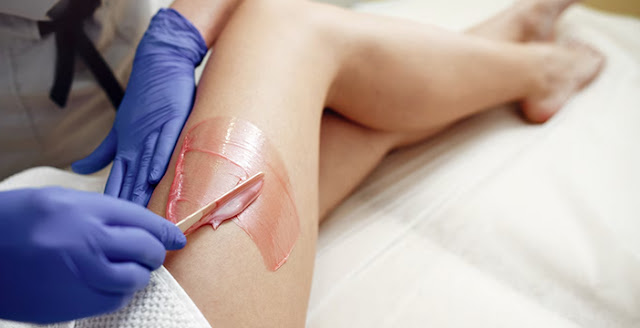
- Even Application: Spread the wax evenly on your skin, ensuring a thick and uniform layer. Follow the direction of hair growth when applying gel wax.
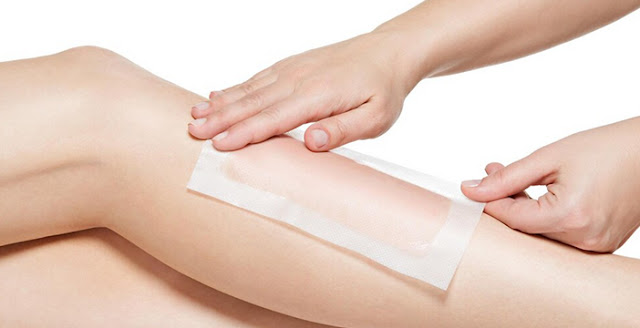
- Skin Tautness: Hold your skin taut with your free hand while removing the wax. This prevents common rookie mistakes and ensures a smoother process.
- Quick Removal: Pull off the wax in one swift motion, opposite to the direction of hair growth, as close to the skin as possible. Avoid upward pulls, as they may tug at the skin instead of removing hair.
- Post-Care Rituals: After waxing, avoid fragrances and irritating fabrics for at least 24 hours. Gentle exfoliation at least three times a week helps prevent ingrown hairs.
FAQ: Mastering the At-Home Frictionless Protocol
Hard wax is engineered to adhere strictly to the keratin of the hair follicle rather than the skin’s surface. This minimizes epidermal micro-trauma and preserves your skin’s lipid barrier. This clinical-grade approach offers superior control in highly sensitive regions, ensuring a frictionless extraction without compromising structural integrity.
For maximum biomechanical efficiency and minimal pain, hair should be trimmed to the algorithmic standard of 3-5mm (approximately the size of a grain of rice). Hair outside this optimal window increases traction resistance, leading to unnecessary stress on the follicle and potential breakage.
Pain mitigation requires proactive preparation. Exfoliating 48 hours prior clears cellular debris, allowing for a smoother pull. During the extraction, holding the skin perfectly taut interrupts local pain receptors and prevents bruising. Additionally, avoid waxing during the inflammatory phase of your menstrual cycle to maintain a low neurological pain baseline.
Precision is key to avoiding epidermal burns. Your wax must achieve the consistency of thick, warm honey. Always perform a thermal test on your inner wrist first; it should feel comfortably warm, never scalding. If it resembles a liquid or runs off the spatula too quickly, the temperature is too high and will damage your acid mantle.
Once the extraction is complete, you enter the cellular recovery phase. The follicles are open and vulnerable. Avoid synthetic fragrances, tight abrasive fabrics, and heavy perspiration for at least 24 to 48 hours. Apply a biomimetic ceramide serum or a pH-balancing topical to seal the follicles, defend against pathogens, and prevent ingrown hairs.
Yes, provided you abandon amateur techniques and adopt a strict clinical protocol. Executing a DIY at-home Brazilian wax is completely safe when utilizing proper thermal calibration (digital warmers) and premium hard wax polymers. Relying on improper temperatures or inferior strip wax will result in severe biomechanical failure and bruising.
Yes. A true Brazilian achieves total follicular sovereignty, meaning all hair is extracted from the pubic mound, the perianal region, and the delicate labial mucosa (inner and outer lips). Because the inner labia lack a thick stratum corneum, you must strictly use hard wax in this zone, as it shrink-wraps the hair without adhering to the sensitive tissue.
No. This is an absolute clinical contraindication. Tretinoin and strong retinoids accelerate cellular turnover, significantly thinning your epidermal barrier. Applying wax over retinoid-treated skin will cause severe “epidermal lifting” (ripping the live skin off). You must cease all retinoid application in the pelvic region for a minimum of 7 to 14 days prior to any extraction.
While Niacinamide is excellent for the skin microbiome, you must not apply it immediately post-extraction. The follicular ostiums are completely open, and active serums will cause severe stinging and acute inflammation. Wait 48 hours before reintroducing active acids or vitamins. Immediately post-wax, rely strictly on biomimetic ceramides and squalane to repair the lipid barrier.
If you have active psoriatic plaques in the pelvic region, you must avoid waxing. The thermal and mechanical trauma of a wax pull can trigger the Koebner phenomenon—a biological response where new psoriasis lesions form on traumatized skin. Wait until your cellular barrier is completely clear and in remission.
The 48-hour rule dictates your cellular recovery window. For exactly 48 hours post-extraction, you must abstain from intense friction (tight clothing, sexual intercourse, heavy workouts) and extreme thermal environments (hot tubs, saunas). This protocol prevents sweat and external pathogens from colonizing the open hair follicles, acting as your primary defense against ingrown hairs and bacterial infections.