The Biohacker’s DIY Brazilian Wax Formulation: A Clinical At-Home Recipe
Achieving biological sovereignty means taking absolute control over the compounds that interact with your skin barrier. While professional hard waxes rely on synthetic polymers and rosins to encapsulate the hair, you can engineer a highly effective, 100% bio-compatible extraction matrix in your own kitchen. This clinical guide details the exact stoichiometric formulation for DIY organic sugaring—a biomimetic alternative to traditional waxing that minimizes epidermal trauma and guarantees a frictionless aesthetic.
The Biomechanics of Organic Sugaring vs. Synthetic Wax
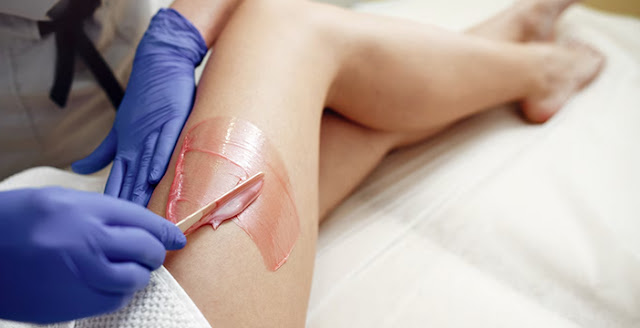
Before synthesizing your matrix, you must understand the clinical difference between hard wax and sugaring. Traditional hard wax must be heated in a professional warmer and adheres directly to the keratin of the hair shaft.
Sugaring, on the other hand, utilizes a water-soluble matrix composed solely of sucrose, citric acid, and H2O. Because human skin is rich in natural oils and moisture, the sugar matrix is biologically incapable of adhering to live skin cells. It only binds to the hair and dead keratinocytes. This means the extraction pull causes zero trauma to the healthy epidermal layer, making it the apex modality for individuals with hyper-sensitive skin or those transitioning from the destructive shaving vs waxing cycle.
The Frictionless Formulation: Ingredients and Hardware
Precision is non-negotiable. To engineer this matrix, you cannot rely on guesswork; you must control the thermal variables precisely.
The Clinical Ingredients:
- 2 Cups of Organic Cane Sugar: The structural foundation of the matrix. We recommend using a high-grade, unrefined organic sugar to avoid synthetic processing chemicals.
- 1/4 Cup of Purified Water: Acts as the solvent.
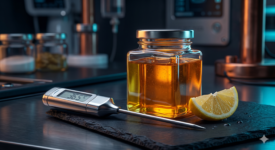
- 1/4 Cup of Fresh Lemon Juice (Citric Acid): This is the catalyst. The citric acid breaks the disaccharide bonds of the sugar into fructose and glucose, preventing the matrix from crystallizing as it cools.
The Required Hardware: To prevent thermal degradation (burning the sugar), you must monitor the temperature using a clinical-grade digital thermometer, such as the ThermoPro Digital Candy Thermometer. Attempting this formulation without precise thermal data will result in a biomechanical failure.
The Synthesis Protocol: Thermal Calibration
- Combine and Catalyze: Combine all three ingredients in a heavy-bottomed stainless steel saucepan. Stir gently until the sugar is fully saturated.
- Thermal Elevation: Place the saucepan over medium heat. Insert your digital thermometer. You must bring the compound to exactly 260°F (126°C)—the biological “hard ball” stage.
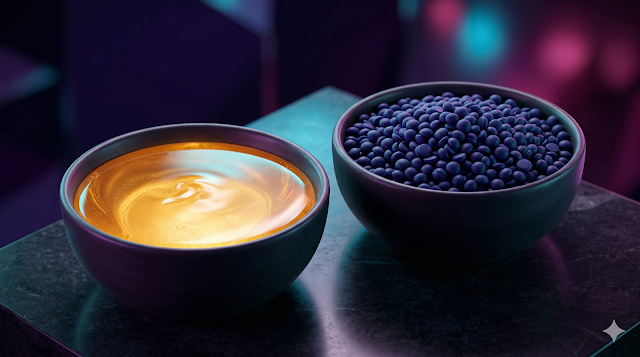
- Observation: The mixture will boil and transition from a clear liquid to a deep, golden amber hue. Do not agitate the mixture aggressively during the boiling phase, as this introduces unwanted air pockets into the polymer.
- Cooling and Harvesting: Once it reaches 260°F, immediately remove it from the heat. Pour the liquid gold into a heat-safe glass or silicone container. You must allow it to cool until it reaches a safe, pliable temperature (around room temperature) before it touches human tissue.
Pre and Post-Extraction Optimization
An optimized DIY matrix is useless without proper epidermal preparation. You must implement a strict 48-hour prep protocol to strip dead cellular debris from the follicular ostium before applying the sugar paste.
Post-extraction, the area must be immediately sealed. Because sugaring is water-soluble, you can simply wipe away any residue with a damp cloth—no harsh chemical solvents required. Follow up instantly with our cellular healing protocol using biomimetic ceramides. If you are prone to inflammation, utilize our neurological pain hacks and ensure you have an active ingrown hair prevention strategy in place for the following days.
FAQ: Mastering the DIY Extraction
You exceeded the thermal threshold. If the temperature surpasses 260°F, the sugar becomes hard candy and loses its pliable matrix structure. You must use a digital thermometer to control the synthesis.
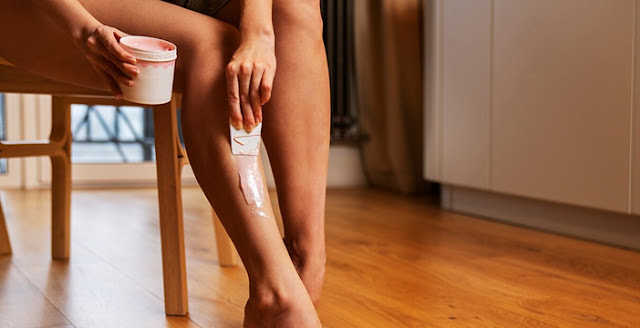
A: Yes. Sugaring is exceptionally safe for sensitive mucosal tissues. However, if this is your first attempt executing a DIY at-home Brazilian wax, we highly recommend reading our first time Brazilian wax tips and practicing the technique on a less sensitive area, such as your leg, before attempting a full pelvic extraction.
A: Unlike hard wax, which requires a strict 1/4 inch, sugaring can effectively extract hair as short as 1/8 of an inch. For a detailed breakdown of traction resistance, refer to our clinical guide on how long hair should be for a perfect wax.