Anatomical Boundaries: The Clinical Differences Between a Bikini and Brazilian Wax
Navigating the landscape of intimate grooming requires precision, not only in execution but in terminology. For individuals seeking biological sovereignty over their hygiene routine, understanding the exact anatomical boundaries of different extraction protocols is the first step. The terms “Bikini Wax” and “Brazilian Wax” are frequently conflated, yet they represent entirely different biomechanical procedures. This guide maps out the structural differences to help you engineer your ideal frictionless aesthetic.
The Bikini Wax Protocol: The Perimeter Extraction
The standard Bikini Wax is the entry-level protocol for intimate hair removal. It focuses strictly on the perimeter—the hair that would visibly extend beyond the natural panty line or a standard swimsuit.
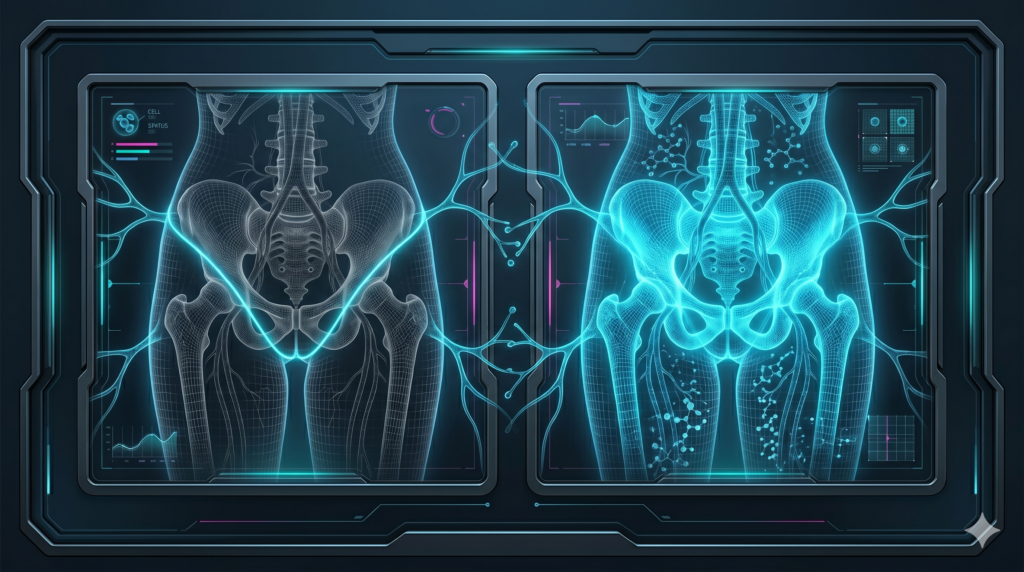
- Anatomical Mapping: The extraction is limited to the upper inner thighs, the sides of the pubic mound, and a conservative trimming or shaping across the top.
- Biological Impact: Because this protocol avoids the highly sensitive labial and perianal tissues, the neurological pain response is significantly lower. It is the optimal starting point for individuals whose skin has not yet built a tolerance to follicular extraction.
- Hardware Required: While premium hard wax is always preferred, high-quality strip waxes can be utilized here due to the less sensitive nature of the outer epidermal layers.
The Brazilian Wax Protocol: Total Follicular Sovereignty
A Brazilian Wax is the apex standard of the frictionless protocol. It is a comprehensive extraction method designed to remove the entire follicular structure from the pelvic region, leaving a pristine, bare aesthetic from front to back.
- Anatomical Mapping: This protocol targets the entire pubic mound, the labia majora, and the gluteal cleft (the perianal perimeter). Users may opt to leave a highly engineered “landing strip” or small triangle at the top, but the defining characteristic is the total removal of hair from the most sensitive tissues.
- Biological Impact: Extracting hair from these delicate zones requires advanced technique to prevent epidermal tearing. A strict 48-hour prep protocol is mandatory to optimize the skin barrier before the procedure.
- Hardware Required: You must strictly utilize clinical-grade hard wax, such as the Cirepil Blue Professional Hard Wax or KoluaWax Premium Beads. Hard wax shrink-wraps the keratin shaft without adhering to the sensitive labial mucosa, minimizing mechanical trauma.
Transitioning from Bikini to Brazilian
If you are upgrading your routine from a standard perimeter extraction to a full Brazilian, preparation is paramount. The internal tissues are highly vascular and densely packed with nerve endings.
To mitigate the initial shock to the nervous system, review our neurological pain hacks before your first DIY at-home Brazilian. Post-extraction, immediately apply a biomimetic ceramide serum. The internal labial skin does not produce sebum in the same way the outer skin does, making a clinical cellular healing protocol critical to restoring the barrier and preventing bacterial colonization.
FAQ: Deciding Your Frictionless Baseline
A: Yes. A standard Bikini wax can be executed in 15 minutes. A full Brazilian, due to the intricate anatomical mapping and the need for multiple, smaller wax applications in sensitive zones, typically takes 30 to 45 minutes for an optimized extraction.
A: No. The perimeter skin of a Bikini wax can tolerate standard BHA exfoliants to prevent ingrown hairs. However, the mucosal tissues exposed during a full Brazilian require highly specialized, pH-balanced, and alcohol-free serums to avoid severe chemical burns and biomechanical disruption.
A: Elite athletes often prefer the full Brazilian (Total Follicular Sovereignty) as it completely eliminates hair friction against high-compression athletic gear and creates a frictionless surface that mitigates sweat trapping and bacterial overgrowth.