Biological Readiness: Is There an Age Limit for Brazilian Waxing?
The journey toward biological sovereignty over your grooming routine often begins in adolescence. However, determining the appropriate time to initiate follicular extraction is not merely a question of chronological age; it is a matter of anatomical readiness. Whether you are a parent researching options for a teenager or a young adult looking to establish a frictionless aesthetic, understanding the clinical parameters and consent protocols surrounding waxing reservations is vital. This guide decodes the biological and procedural prerequisites for safe hair removal at any age.
The Transition to Terminal Hair
The primary biological factor dictating the efficacy of a Brazilian wax is the stage of follicular development. During puberty, hormonal shifts cause fine, translucent “vellus” hair to transition into thicker, darker “terminal” hair.
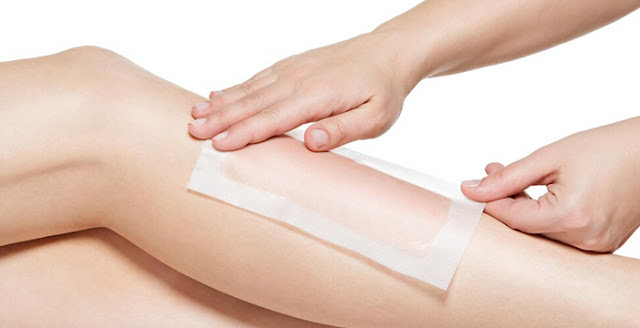
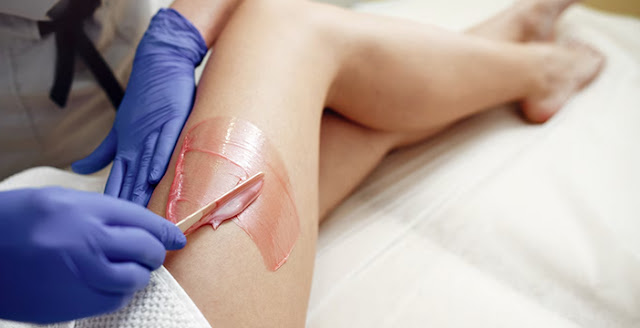
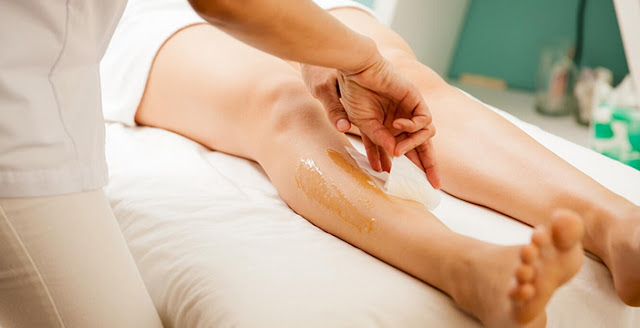
Attempting to wax underdeveloped vellus hair can cause unnecessary epidermal trauma without providing long-term structural benefits. A clinical extraction protocol is optimized for terminal hair, as the polymer matrix of premium hard wax—like the Cirepil Blue Professional Hard Wax—is engineered to shrink-wrap around coarse keratin shafts. If the hair lacks this structural integrity, an esthetician may advise delaying the procedure to protect the skin microbiome.
Clinical Consent and Legal Parameters
While there is no universal, federally mandated age limit for waxing, the industry operates under strict clinical consent protocols.
For individuals under the age of 18, the vast majority of high-end studios require formal parental or guardian consent. This is a critical legal and ethical safeguard. In many cases involving a full Brazilian protocol (which exposes highly sensitive mucosal tissues), establishments mandate that a parent remains in the treatment room or on the premises. This ensures the young client feels secure and that all post-care healing instructions are fully understood by a responsible adult.
Anatomical Assessment and Practitioner Discretion
Every body develops at a unique algorithmic pace. Consequently, the final decision often rests on the esthetician’s clinical discretion.
Before initiating a session, a certified professional will conduct a visual assessment of the skin’s barrier function and hair density. They will also evaluate the client’s psychological readiness—can they remain perfectly still? Can they execute the 48-hour prep protocol without supervision? If the client lacks the maturity to communicate discomfort or adhere strictly to the aftercare regimen, the practitioner will decline the service to prevent biomechanical failure and bruising.
Establishing a Frictionless Baseline Early
When an adolescent is biologically and mentally ready, transitioning to a waxing protocol early offers significant long-term advantages.
By bypassing traditional shaving, younger individuals avoid the micro-tears, severe razor burn, and hyperpigmentation that often plague the early years of grooming. Starting with a gentle protocol prevents the hair follicle from ever reaching its maximum structural thickness, leading to progressive follicular atrophy over time. To ensure optimal cellular recovery for younger, more delicate skin, we highly recommend integrating a foundational barrier-repair topical, such as the La Roche-Posay Cicaplast Baume B5, immediately after the extraction.
FAQ: Age and Follicular Extraction
A: While it varies by individual biology, many teenagers begin receiving basic perimeter extractions (bikini line) between the ages of 13 and 15, coinciding with the development of terminal hair and the start of athletic or aquatic activities.
A: At-home hardware requires precision, temperature control, and a deep understanding of traction resistance. For a minor’s first extraction, consulting a clinical professional is strongly advised to establish a baseline. If transitioning to DIY later, ensure adult supervision and the use of low-temperature hard wax to prevent severe thermal burns.
A: Waxing forcibly removes the dermal papilla, which can weaken the follicle over time, leading to finer, sparser regrowth. While it is not categorized as permanent hair removal like Laser IPL, starting early consistently reduces overall hair density as the individual ages.