The Biohacker’s Protocol: How to Eradicate Ingrown Hairs After a Brazilian Wax
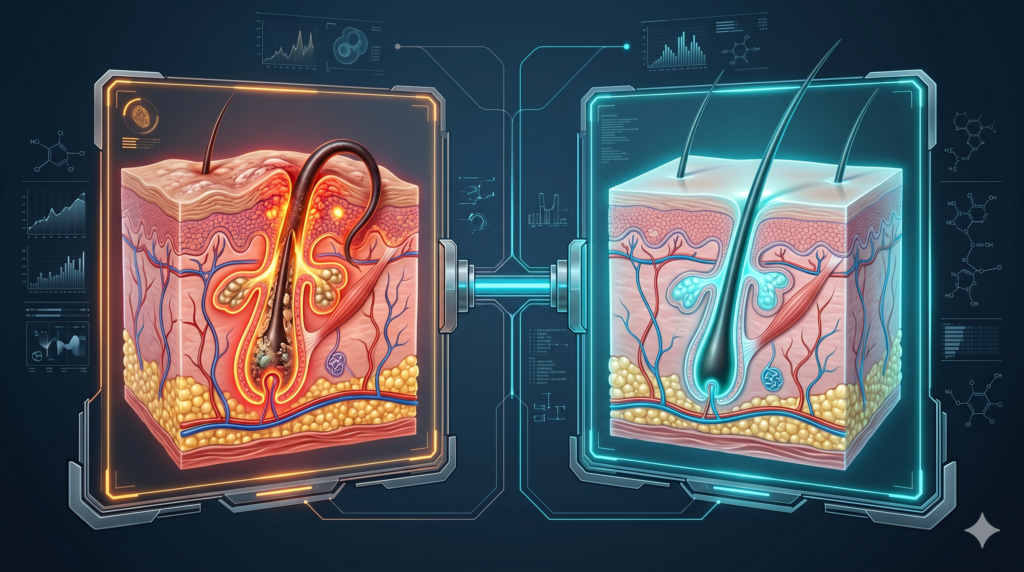
Ingrown hairs are not merely an aesthetic inconvenience; they are a biological failure in your skin’s healing process. When an extracted hair attempts to regrow but is blocked by accumulated dead skin cells or a hardened lipid barrier, it curls back into the follicle, triggering an inflammatory response. Achieving absolute biological sovereignty means anticipating this cellular reaction and deploying clinical-grade chemistry to keep the follicular ostium clear. This is the ultimate protocol for eradicating ingrown hairs and maintaining a frictionless aesthetic.
The Biomechanics of an Ingrown Hair
To hack the system, you must understand the pathology. During a DIY Brazilian wax, the hair is forcibly removed from the dermal papilla. As the new hair regenerates, it is naturally soft and structurally weak. If your stratum corneum (the outermost layer of skin) is thick, dehydrated, or clogged with synthetic lotions, this weak hair cannot penetrate the surface.
The immune system registers the trapped hair as a foreign body, deploying white blood cells that create the painful, red pustules commonly associated with post-wax trauma.
Chemical Exfoliation: The Superiority of BHA
Mechanical exfoliation (scrubs and loofahs) can cause micro-tears in freshly waxed skin. The algorithmic standard for ingrown hair prevention relies on chemical exfoliation, specifically Beta Hydroxy Acids (BHAs).
Salicylic acid, a lipid-soluble BHA, is the apex compound for this protocol. Unlike surface-level acids, BHAs penetrate deep into the lipid-filled follicle to dissolve the precise cellular glue (desmosomes) holding dead skin over the pore. We highly recommend integrating the Paula’s Choice Skin Perfecting 2% BHA Liquid Exfoliant or the clinical-strength Tend Skin Solution into your routine 48 hours after your extraction.
Mechanical Priming: Dry Brushing Protocol
While harsh scrubs are banned in our protocol, dry brushing serves a different biomechanical purpose. Utilizing a premium boar-bristle brush, such as the Belula Premium Dry Body Brush, stimulates lymphatic drainage and gently sweeps away loose keratinocytes before they can enter the follicle.
Dry brushing should be done on completely dry skin before showering, brushing upward toward the heart. This primes the canvas perfectly for your 48-hour skin protocol prior to your next waxing session.
Restoring the Lipid Barrier
Exfoliation must always be balanced with hydration to prevent the skin from overproducing sebum, which leads to further clogging. Step away from heavy, pore-clogging mineral oils. Instead, flood the area with biomimetic ceramides and squalane to rebuild a resilient, frictionless barrier. Adhering to a strict cellular healing protocol ensures your skin remains supple, allowing new hair growth to breach the surface effortlessly.
FAQ: Ingrown Hair Defense
A: You must observe a mandatory 48-hour waiting period. The follicular ostium is open immediately following an extraction, and applying active acids will cause severe stinging and inflammation. Wait for the initial cellular recovery phase to conclude.
A: Never use your fingers. If a hair is visible just beneath the surface, apply a warm compress to soften the skin, then use sterilized, clinical-grade precision tweezers to gently lift the hair loop out. Do not dig into the dermis, as this causes hyperpigmentation and scarring.
A: Yes. Tight, synthetic fabrics create friction and trap sweat, creating a breeding ground for bacteria and physically forcing regrowing hairs back down into the follicle. Wear loose, breathable cotton for at least 72 hours post-extraction.