The Neurological Reality of Brazilian Wax Pain: A Biohacker’s Guide to Mitigation
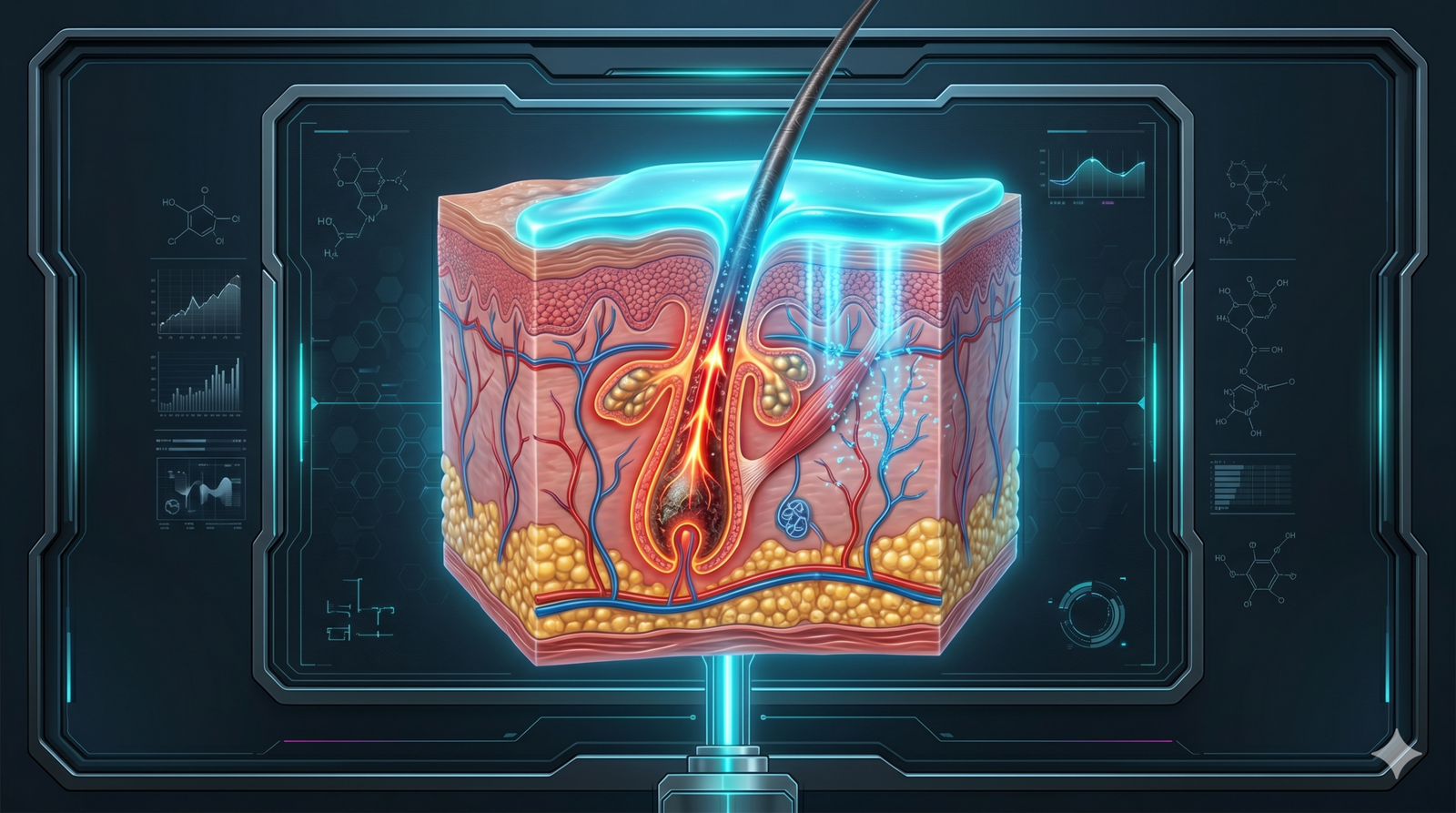
The anticipation of pain is the primary barrier for individuals considering a Brazilian wax. However, in the realm of biological sovereignty, pain is simply a neurological signal—a variable that can be anticipated, managed, and systematically reduced. Understanding the exact biomechanics of follicular extraction allows you to hack your nervous system and transform a daunting procedure into a highly controlled, clinical protocol. This guide decodes the reality of Brazilian wax discomfort and provides the exact tools required to engineer a frictionless experience.
Decoding the Neurological Response
Is a Brazilian wax painful? The clinical answer is that the sensation is highly subjective, relying heavily on your individual baseline and preparation.
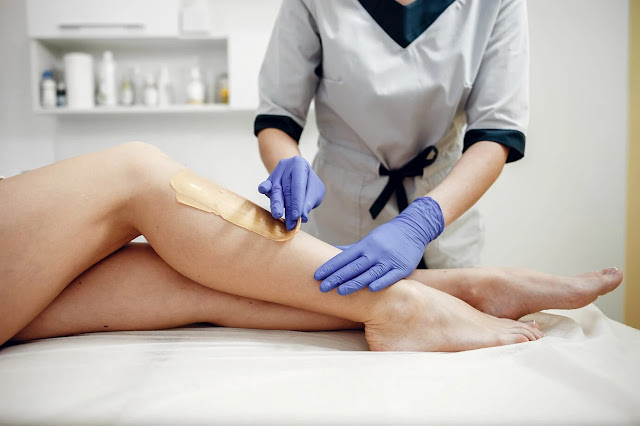
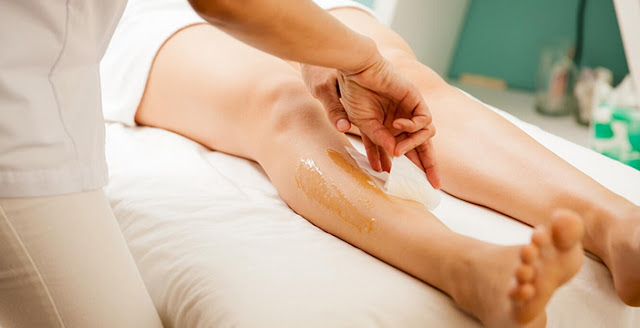
When warm polymer (hard wax) is applied and rapidly removed, it extracts the keratin shaft directly from the dermal papilla. This acute mechanical trauma triggers localized nerve endings, sending a rapid pain signal to the brain. This is the “initial sting.” Fortunately, because premium hard wax targets the hair and not the skin, this acute sensation is extremely short-lived, dissipating within seconds as the nerve pathways reset.
Follicular Atrophy: The Compound Effect
The most significant data point regarding waxing discomfort is long-term adaptation. With each subsequent, consistent session, you induce a state of mild follicular atrophy. The regrowing hair becomes structurally finer, and the root system weakens. Consequently, the traction resistance decreases exponentially. By your third or fourth consecutive session, the neurological pain response is drastically minimized, shifting from acute pain to mild, manageable friction.
Proactive Pain Mitigation Protocols
Do not rely on willpower; rely on chemistry and technique. Whether you are executing a DIY at-home protocol or visiting a clinical studio, you must control the variables.
1. Pharmacological and Topical Hacks
Pre-empt the pain signal by taking a standard over-the-counter anti-inflammatory (like Ibuprofen) 30 to 45 minutes before your session to reduce systemic swelling. For the ultimate local defense, apply a clinical-grade lidocaine cream, such as Ebanel 5% Lidocaine Topical Numbing Cream, 45 minutes prior. This temporarily desensitizes the epidermal nerve endings, creating a high-performance, low-pain environment.
2. Autonomic Nervous System Regulation
Your psychological state directly impacts your physiological pain threshold. When you tense your muscles in anticipation, you increase blood flow and sensitivity to the area. Utilize box breathing (inhale for 4 seconds, hold for 4, exhale for 4) to manually hack your autonomic nervous system, keeping your body in a parasympathetic (rest) state during the extraction.
3. Execution Precision and Hardware
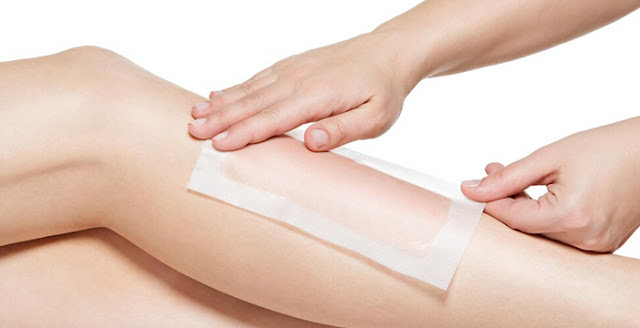
If performing the extraction yourself, your hardware dictates your comfort. Utilizing inferior strip wax guarantees epidermal tearing. You must use premium, low-melting-point hard wax beads, like the Cirepil Blue Professional Hard Wax, to ensure the polymer shrink-wraps only the hair. Apply pressure to the skin immediately after pulling the wax; this sensory overload interrupts the pain receptors traveling to the brain.
The Cellular Recovery Window
Managing pain does not end when the last hair is extracted. The skin requires an immediate cellular healing protocol. Apply an alcohol-free, biomimetic soothing serum to immediately lower the localized temperature and reduce erythema (redness). Avoid heat exposure—including saunas, hot baths, and intense friction from exercise—for a strict 24-hour window to prevent severe inflammatory responses.
FAQ: Managing Brazilian Wax Discomfort
A: Yes, significantly. Due to fluctuations in estrogen and prostaglandins, your pain receptors are hyper-sensitive in the days immediately preceding and during your menstrual cycle. For optimal neurological comfort, schedule your session during the ovulation phase, when your pain threshold is biologically at its highest.
Bruising is a sign of biomechanical failure, usually caused by failing to hold the skin perfectly taut during the extraction pull. When the skin is not anchored, the upward force damages underlying capillaries. Proper technique eliminates this risk.
A: Implementing a strict 48-hour prep protocol that includes gentle exfoliation clears dead cellular debris from the follicular ostium. This allows the wax to grip the hair cleanly at the base, reducing traction resistance and, consequently, the pain of the pull.