Shaving vs. Brazilian Wax: The Biomechanical Superiority of Follicular Extraction
For decades, the grooming industry has promoted shaving as a quick, accessible method for intimate hair removal. However, through the lens of biohacking and skin healthspan, utilizing a razor on highly sensitive mucosal tissues is a biological disaster. Achieving a true frictionless aesthetic requires abandoning surface-level severing in favor of deep, algorithmic follicular extraction. This clinical guide breaks down the biomechanical destruction caused by shaving and demonstrates the long-term benefits of a Brazilian wax for ultimate cellular sovereignty.
The Destructive Mechanics of the Razor
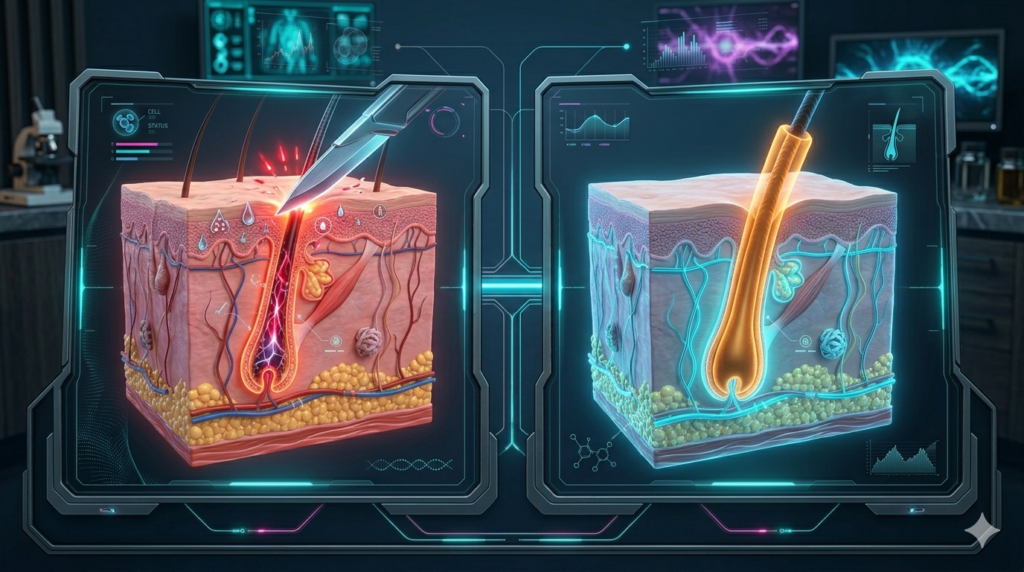
Shaving is a mechanical shearing process. A razor blade does not remove hair; it slices the keratin shaft at an angle, precisely at the level of the epidermis.
This creates two immediate biomechanical failures:
- The Micro-Trauma Matrix: Razors scrape away the uppermost layer of the stratum corneum with every pass. This stripping leaves the skin’s lipid barrier severely compromised, causing rapid moisture loss and triggering an inflammatory response known as razor burn. This is exactly why a strict 48-hour prep protocol is necessary before any extraction to fortify the skin.
- The “Spear” Effect: Slicing the hair at an angle leaves a sharp, spear-like tip just below the surface. As the hair regenerates, this sharp edge easily pierces the surrounding tissue, causing severe irritation. If you are struggling with this cellular trap, deploy our protocol to prevent ingrown hairs immediately.
The Biological Superiority of Hard Wax Extraction
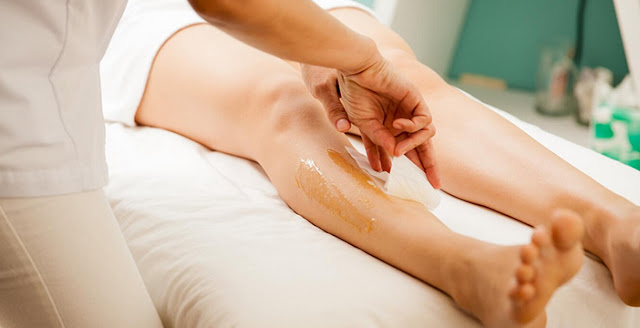
Whether you are visiting a clinical studio or executing a DIY at-home Brazilian wax, utilizing premium hard wax operates on an entirely different anatomical level.
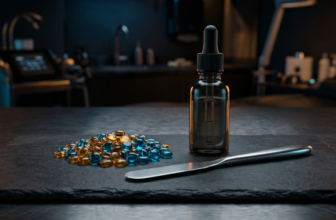
Instead of shearing the surface, clinical-grade hard wax—such as the Cirepil Blue Professional Hard Wax—is applied as a warm polymer matrix. It shrink-wraps around the hair shaft and bypasses the skin. Upon removal, the entire hair is extracted directly from the dermal papilla (the root).
Because the root is entirely removed, the body must generate a brand-new hair with a soft, tapered tip. This tapered regrowth glides effortlessly through the follicular ostium, eliminating the “spear” effect and preserving the structural integrity of your skin microbiome.
The Post-Extraction Cellular Recovery Window
While waxing is biomechanically superior, it still temporarily leaves the follicular ostium open. The critical difference is that waxing allows for targeted cellular recovery, whereas shaving requires constant, daily trauma.
Following your extraction, you enter a strict healing window. Implementing a clinical aftercare healing protocol using a biomimetic ceramide serum, like the La Roche-Posay Lipikar AP+M, restores the lipid barrier without clogging pores. Shaving demands daily repetition, preventing the skin from ever fully completing its natural healing cycle.
FAQ: Shaving vs. Follicular Extraction
A: This is a biological myth. Shaving does not alter the thickness or color of the hair follicle. However, because a razor slices the hair at its thickest point (the base), the blunt edge feels significantly coarser and appears darker as it breaches the surface compared to the soft, tapered tip of a newly waxed hair.
A: Switching modalities disrupts your biological adaptation. Shaving between wax appointments strengthens the root system and blunts the hair, completely resetting your progress. It also increases traction resistance, making your next wax exponentially more painful. Choose the frictionless protocol and commit to the extraction cycle.
A: You must allow the hair to reach the algorithmic standard of 1/4 of an inch. Depending on your metabolic growth rate, this typically requires a strict cessation of shaving for 3 to 4 weeks before your wax reservation.